Maui’s beaches are the stuff of dreams, but the ocean around them is not a swimming pool. It is alive, moving, and constantly changing. A calm morning can become a pounding afternoon. A gentle shoreline can turn into a washing machine of sand and whitewater. Shorebreak is one of the most beautiful and misunderstood parts of that equation. It is the wave that breaks directly on the shore, sometimes in only a foot or two of water. It can be playful, thrilling, and photogenic. It can also be dangerous in ways that are not obvious from the sand.
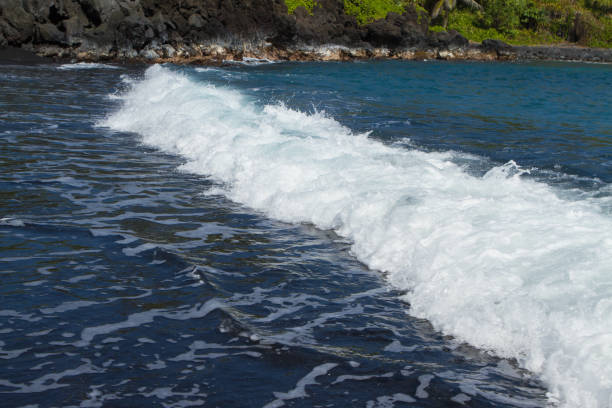
Shorebreak forms when incoming swell meets a sudden shallow bottom. The wave jacks up, pitches forward, and dumps its energy onto the beach. Unlike a rolling wave that breaks gradually, shorebreak can knock you off your feet, drive you into the sand, and hold you under long enough to panic. Places like Makena’s Big Beach are famous for it. Even a one- or two-foot shorebreak can cause neck and back injuries if someone dives headfirst or turns their back at the wrong moment. The first rule is simple: never dive headfirst into a wave, and never turn your back on the ocean. Watch the sets before you enter.
Maui’s regions each have their own ocean personality. West Maui includes Kaanapali, Napili, and Kapalua. In winter, north and west swells can bring bigger waves, stronger currents, and more serious shorebreak. Kapalua’s bays can be calm, but rocky points and currents demand attention. South Maui includes Kihei, Wailea, and Makena. Summer south swells light up the coast. Makena and Big Beach can have powerful shorebreak, while some Kihei beaches are calmer but still have rip currents. The North Shore, with Ho’okipa, Baldwin, Paia, and Kanaha, is world-class in winter and not for beginners. East Maui and Hana offer remote black-sand beaches with few lifeguards, where currents and shorebreak can be intense. Research before you go.
Reading conditions starts before you leave your car. Check the surf report, tide, and wind. Spend at least fifteen minutes watching the water. Look for sets, lulls, where waves break, and how far the water runs up the sand. Watch for dark patches, choppy channels, and foam moving offshore. Those can be rip currents. Trade winds often pick up midday, chopping the surface and making paddling harder. Afternoon wind can turn an easy snorkel into a workout. Rain runoff makes the water murky and less safe. If the water is brown, stay out.
Rip currents are common around Maui. They pull away from shore, not under it. If you are caught, do not fight. Swim parallel to the shore until you are out of the current, then angle back in. If you cannot, float, stay calm, and signal for help. Rip currents often form near jetties, piers, gaps in the reef, and sandbars. Lifeguards are your best resource. Ask them about current conditions, and swim near them when possible.
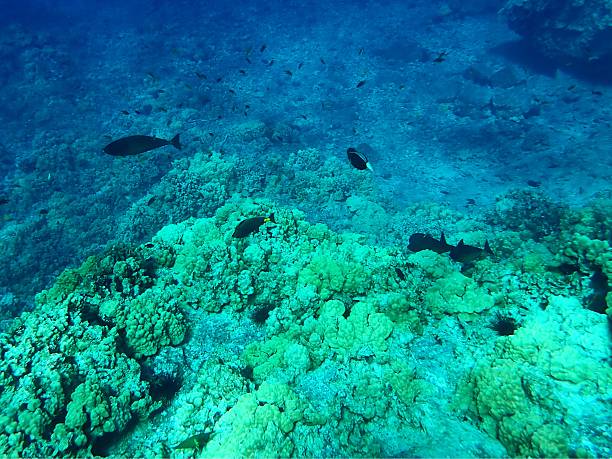
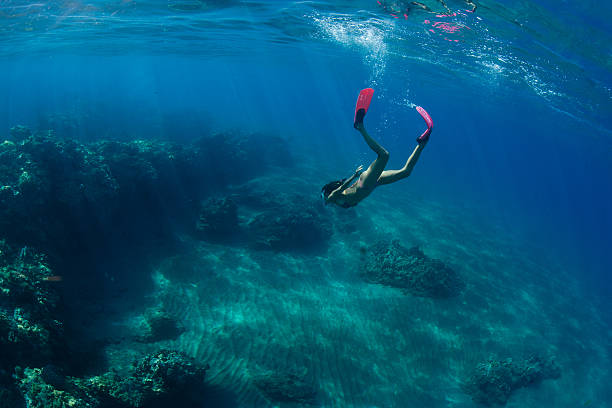
Snorkeling and reef safety matter too. Enter from sand, not coral. Wear fins. Never snorkel alone. Stay within your comfort zone. If surge pushes you toward the reef, turn and swim away. Watch for urchins and coral cuts, and treat any cut promptly. If you are not comfortable, take a tour. The reef is alive. Standing on it harms it and can harm you.
Shorebreak safety is specific. If you are caught inside, protect your head and neck, ride the wave, and do not fight every single surge. Try to stay calm. Once the wave passes, scramble toward shore. Do not stand in knee-deep water where waves dump. Keep children within arm’s reach. Use lifeguarded beaches. If in doubt, do not go out. Respect high surf advisories. Never swim alone. Alcohol and the ocean do not mix. Protect yourself from the sun and drink water.
Maui’s ocean is powerful and beautiful. Treat it with respect, and it rewards you. Know your limits. Watch. Ask. When conditions are calm, enjoy them. When they turn, wait. The beach will still be there. Your safety is the most important souvenir.