Maui’s coastline is a string of postcards, but the beaches that stay with you longest are often the ones you find after a longer walk, a rougher road, or an early alarm. These hidden pockets exist in every region, each with its own personality. The key is to treat them gently, because their magic depends on their fragility.
West Maui hides small bays beneath steep pali. Around Kapalua, a handful of coves require a short trail or a willingness to park legally and walk. Honolua Bay is famous for snorkeling, but its rocky shore and winter surf mean you should check conditions. Farther north, the road to Kahakuloa winds past quiet lookout points and tiny settlements; there are no lifeguards, no facilities, and often no safe swimming. Near Olowalu, the shoreline becomes shallow and reef-protected; a quieter stretch can be found if you arrive early and leave no trace. Always obey posted signs, because many access points cross private land.
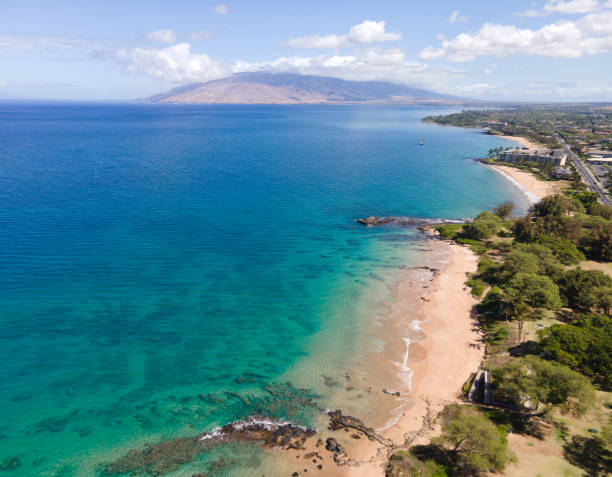
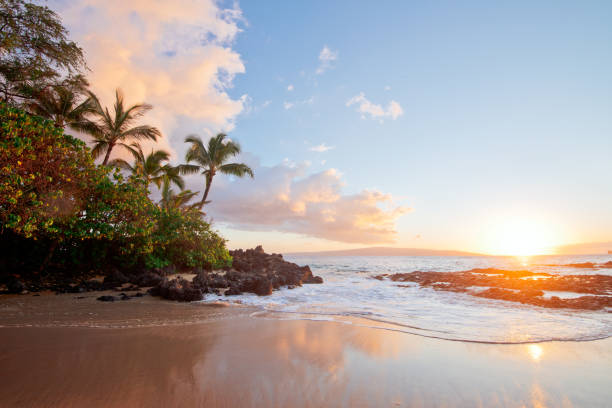
South Maui is where seclusion still exists, though it is no secret. Pa’ako Cove, sometimes called Secret Cove, is a tiny crescent framed by lava and palms. It is beautiful but not a swimming beach for everyone, especially when waves surge. Palauea Beach, also known as White Rock, offers softer sand and usually fewer people than the big resorts. Oneuli Beach, with its dark sand, feels wilder and is wonderful at sunrise, but the water can be rough. Farther south, the road ends at a rugged lava field where the ocean feels raw and ancient. Go early, bring water, and never turn your back on the waves. These beaches have no lifeguards, and cell service can be spotty.
The north shore is famous for wind and waves. Hidden beaches here are less about calm swimming and more about watching the power of the Pacific. Around Paia and Spreckelsville, small coves appear between rocky points. Baldwin Beach and Ho’okipa are the known anchors, but if you walk along the sand at the right time of day, you will find quieter stretches. Winter swells can make even shallow-looking water dangerous. Kite Beach and Kanaha are busy with windsurfers, yet early mornings can feel surprisingly peaceful. Respect the local surfers and wind athletes; they were here first.
The Hana coast is a dream of waterfalls, jungle, and black sand. Hidden beaches are part of the adventure, but access is often the catch. Wai’anapanapa is deservedly popular, so go at opening or late afternoon. Hamoa Beach is a classic crescent that can feel intimate when the tour vans leave. Koki Beach, with its red cinder cliffs, is smaller and often windier. Farther along, tiny pocket beaches appear below the road, but many require climbing down steep, slippery trails. Signs and gates are not suggestions. If you are unsure, admire from above. The reward of the Hana coast is not collecting beaches but slowing down enough to let them collect you.
The best hidden beach is not the one with the most likes. It is the one you leave exactly as you found it. Pack out everything, including fruit peels and wrappers. Use reef-safe sunscreen. Never take sand, rocks, or coral. Give turtles and monk seals plenty of space; they need rest, and approaching them is illegal. Check ocean conditions, ask lifeguards when there is one, and know that a calm morning can become a treacherous afternoon. Parking is another form of respect: do not block driveways, mailboxes, or narrow roads. If a local asks you to move, do so with aloha. The islands are not a theme park; they are home.
Maui’s secluded beaches are not a checklist. They are invitations to be present. Whether you are a first-time visitor dreaming from a snowy city or a frequent traveler who knows the island’s rhythms, the quiet shores will ask something of you: patience, humility, and a willingness to walk a little farther. Go early, go gently, and let the island set the pace. The reward is a piece of Maui that asked only for your care.