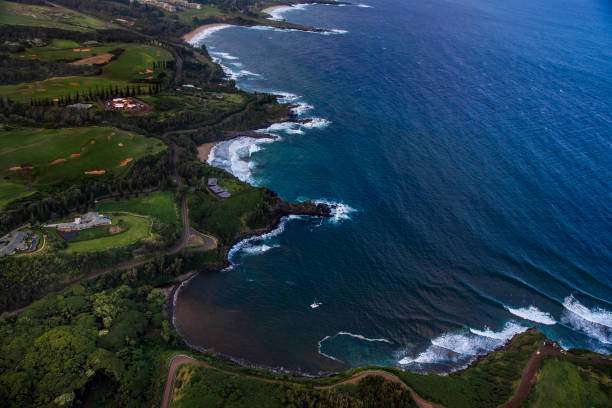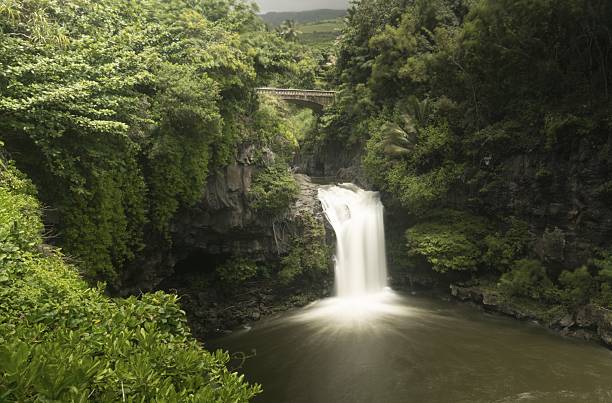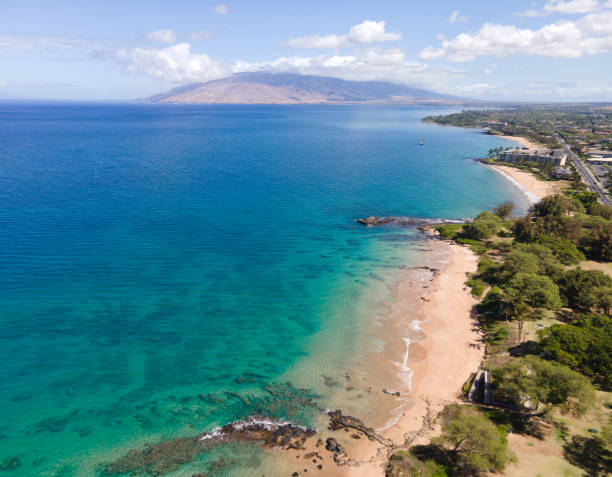
The Road to Hana is less a highway than a long, green invitation to slow down. It begins near Paia, on Maui’s north shore, and curls east through rainforest, past waterfalls, over one-lane bridges, and along cliffs where the ocean appears in sudden, glittering glimpses. The drive is often measured in numbers—about sixty-four miles, more than six hundred curves, dozens of bridges—but those figures miss the point. The Road to Hana is not a race to a town at the end. It is a day-long experience meant to be tasted, heard, and remembered.
Start early. Really early. Leaving Paia by seven in the morning gives you cooler air, lighter traffic, and a better chance to find parking at the most popular stops. Paia itself is a good place to gather supplies. Fill the gas tank, buy water, grab breakfast, and bring more snacks than you think you need. A rain jacket, swimsuit, towel, and dry change of clothes are wise. The weather can shift from bright sun to misty rain within minutes, and that rain is what keeps the waterfalls flowing and the valleys impossibly green.
The first stretch of the Hana Highway winds through rainforest so dense it feels like entering another world. Twin Falls is an easy early stop, with a short walk to swimmable pools when conditions are safe. Further on, Waikamoi Ridge Trail offers a quiet loop through bamboo and eucalyptus. The Garden of Eden Arboretum provides manicured paths, sweeping coastal views, and a famous view of Puohokamoa Falls. Each stop could easily consume an hour, but the road rewards restraint. Choose a few places and give them your full attention rather than trying to see everything.
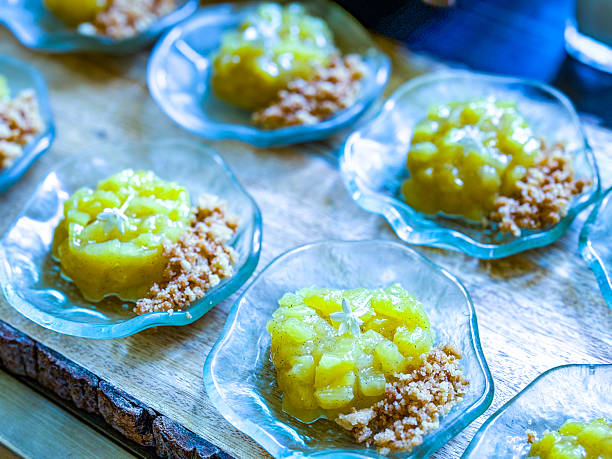
Around Ke’anae, the landscape opens dramatically. The Ke’anae Peninsula juts into a restless blue ocean, its black lava rocks and taro fields telling a story of Hawaiian life that continues today. This is a good place to pause, breathe, and remember that people live and work along this road. Aunt Sandy’s banana bread has become a beloved ritual for many travelers, and it is easy to understand why. Warm, moist, and fragrant, it tastes like a small reward for the curves behind you.
Continue past Wailua Valley State Wayside, where a short climb reveals waterfalls and taro terraces. Upper Waikani Falls, sometimes called Three Bears, tumbles in three distinct streams beside the road. Pua’a Ka’a State Wayside offers restrooms and another chance to cool off. Hanawi Falls and Wai’anapanapa State Park are highlights, but Wai’anapanapa now requires advance reservations for non-residents. Its black sand beach, sea arches, and lava tubes are worth the planning. The contrast of jet-black sand against turquoise water is one of Maui’s most striking sights.
Soon you reach Hana town. Many travelers treat it as the finish line, but Hana is better understood as a community, not a theme park. Hana Bay is calm and family-friendly. Hasegawa General Store feels like a step back in time. Food trucks serve fresh fish, plate lunches, and shave ice. The famous red sand beach, Kaihalulu, is beautiful but the trail can be dangerous and crosses private land, so respect all signs and conditions. In Hana, patience and humility go a long way.
For many, the journey continues beyond Hana. Hamoa Beach is a crescent of gray sand framed by palms and often called one of Hawaii’s most beautiful beaches. Koki Beach offers a wilder view, with Alau Island offshore. Further south, Wailua Falls plunges beside the road, easy to admire and photograph. At Ohe’o Gulch, within Haleakala National Park, the Seven Sacred Pools and Pipiwai Trail lead through bamboo forest to towering Waimoku Falls. The trail is muddy, magical, and worth every squelching step.
The return trip is a decision. Driving back the way you came is familiar but still beautiful, with afternoon light changing the waterfalls and coast. Continuing around the backside through Kaupo is remote, rugged, and sometimes unpaved. Rental car agreements may restrict it, and conditions can be rough. If you choose it, check weather and road reports, carry water, and never rely on cell service. The backside offers vast views and a sense of solitude, but it is not for a hurried or unprepared driver.
Above all, drive with aloha. Pull over for locals. Never stop on a bridge. Use marked pullouts. Do not trespass on private property. Take your trash with you. The Road to Hana asks for patience, and it gives back far more than it takes. It gives rainforest air thick with ginger and plumeria, the sound of water falling into hidden pools, roadside stands selling coconut candy and fresh fruit, and the feeling that you have crossed into a slower, older Hawaii. You cannot see it all in one day. That is not a failure. It is an invitation to return.