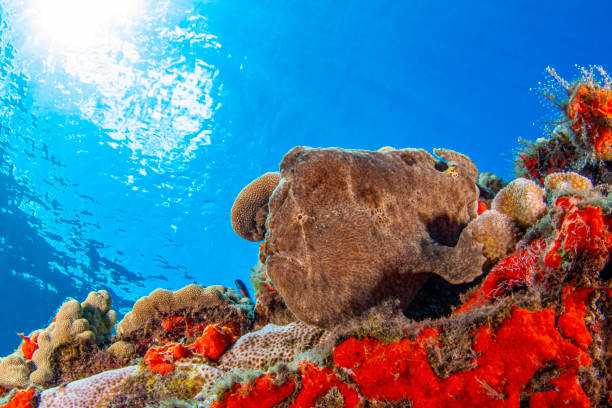
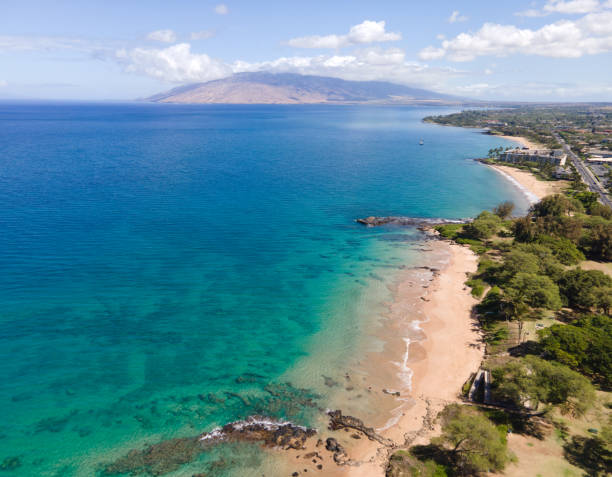
Maui’s coastline is a mosaic of lava points, crescent bays, and living coral reefs, and some of its most rewarding underwater encounters don’t require a boat ticket. Shore snorkeling opens the door to turtles, butterflyfish, parrotfish, and occasional eagle rays just a few fin kicks from the sand. The key is matching your beach to the day’s conditions. In general, Maui’s south and west shores are calmest in summer, while winter swells can stir up north and west facing bays. Trade winds often pick up by late morning, so early entry usually means clearer water and smoother surface. Always check with lifeguards, read posted signs, and never snorkel alone. A reef-safe sunscreen, a well-fitted mask, and a healthy respect for the ocean will make every outing better.
South Maui is often the easiest place to begin. Kamaole Beaches I, II, and III in Kihei offer sandy entries and rocky points where fish gather. Kamaole II and III tend to have the most interesting structure, with coral heads and turtles grazing in the shallows. Facilities, showers, and lifeguards make them comfortable for families. A little farther south, Ulua Beach and Mokapu Beach in Wailea share a lovely bay with a sloping sand entry and a reef that attracts tangs, wrasses, and moorish idols. Maluaka Beach, sometimes called Turtle Town, lives up to its nickname when conditions are calm. Makena Landing is another favorite, a protected cove with easy parking and frequent turtle sightings. For more adventurous snorkelers, Ahihi-Kinau Natural Area Reserve offers some of the most untouched coral on the island, but the entry is rocky, shade is scarce, and rules are strict. Look, don’t touch, and never stand on coral.
West Maui delivers postcard snorkeling. Ka’anapali Beach at Black Rock is the classic shore dive, with a sandy entry, dramatic lava point, and a reliable cast of fish and turtles. It can be crowded, but arriving early helps. Kahekili Beach Park, also known as Airport Beach, has a gentle entry and a long reef that rewards slow exploration. Napili Bay is a sheltered crescent that feels like a swimming pool on calm days, with coral patches and plenty of tropical fish. Kapalua Bay may be the most beginner-friendly of all, with a protected cove, soft sand, and underwater scenery that keeps snorkelers in the water for hours. Honolua Bay is the crown jewel, a marine life conservation district with lush coral and astounding clarity, but it is best in summer and has a rocky shoreline. There are no lifeguards, so go with a buddy and watch the swell.
The North Shore and East Maui are different creatures. They are wilder, rainier, and more exposed to wind and waves, which means snorkeling is a day-by-day proposition. On truly calm mornings, a few spots can offer glimpses of reef life, but strong currents and surf often make them unsuitable. Hana Bay can be calm enough for a swim, but freshwater runoff after rain can reduce visibility. The real lesson on this side of the island is patience and flexibility. If the ocean says no, save your snorkel for another day and enjoy the waterfalls, trails, and black sand instead.
Timing matters everywhere. Summer months bring smaller surf to south and west shores, while winter can deliver big swells to north and west exposures. South Maui often remains the most reliable winter option. Plan around low wind, ideally early morning. Enter through sand channels rather than over coral, keep your fins off the reef, and give turtles plenty of space. Never chase or touch marine life. If you feel tired, cold, or caught in a current, stay calm, signal for help, and angle back to shore. A snorkel vest can add confidence, especially for beginners.
The beauty of Maui’s shore snorkeling is its spontaneity. You can wake up, check the horizon, and be floating over a reef within an hour. Whether you choose the family-friendly coves of South Maui, the famous reefs of West Maui, or a quiet, conditions-permitting adventure on the North Shore, the island rewards those who move slowly and observe closely. Respect the ocean, protect the reef, and let each region show you a different face of Maui beneath the surface.