Maui may look compact on a map, but the island is a patchwork of microclimates and daily rhythms. Choosing where to sleep determines how much time you spend in the car, what the weather feels like, and whether your mornings begin with a snorkel, a surf check, or coffee in a misty upcountry garden. The right region matches the way you want to spend your days.
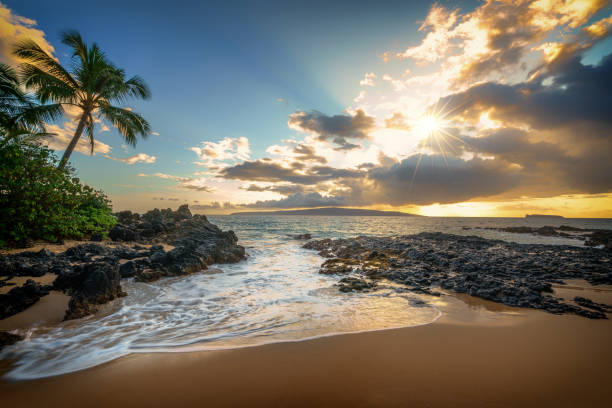
West Maui, from Kaanapali and Napili to Kapalua, remains the classic resort base. This is where you find golden beaches, calm bays, oceanfront golf, and fiery sunsets. Kaanapali offers walkable resort amenities, while Napili and Kapalua feel quieter. It is wonderful for first-timers, families, and anyone who wants easy snorkeling, paddleboarding, and pool time without a long drive. The trade-off is traffic along the Honoapiilani Highway when you explore other parts of the island. If you stay here, let the west side be your home base rather than your launching pad for every single day.
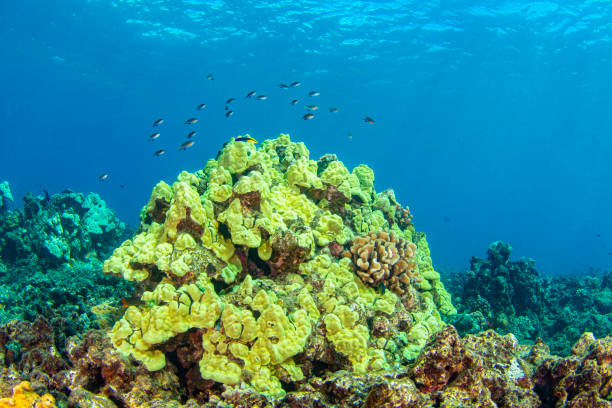
South Maui, including Kihei, Wailea, and Makena, is the sunny, beach-forward alternative. Kihei is casual and condo-friendly, with local eateries and a string of beaches that invite spontaneous swims. Wailea and Makena are polished and upscale, with luxury resorts, golf, and some of the island’s best snorkeling. This region tends to be drier than the north and east, making it a smart choice in winter or whenever you want reliable beach weather. It is ideal for beach lovers, golfers, honeymooners, and families. The main consideration is that South Maui can feel spread out, so a car is essential if you want to explore beyond your resort.
The North Shore, centered around Paia and Haiku, offers a different Maui entirely. Paia is a former plantation town turned bohemian outpost, with great coffee, seafood, and a steady breeze. Just beyond it, Ho’okipa Beach is a world-class windsurfing and kiteboarding destination, and laid-back surf culture permeates the area. Haiku is lush and tropical, with farm stands and a slower pace. This is the best region for active travelers, surfers, wind sports enthusiasts, and anyone who wants quick access to the Road to Hana. The trade-off is rain and wind, especially in winter, and fewer resort-style amenities. If you need poolside cocktails and air-conditioned lobbies, visit the North Shore rather than stay there.
Upcountry Maui, which includes Makawao, Kula, and Pukalani, sits on the slopes of Haleakala. The air is cooler, the views stretch across the isthmus to the ocean, and the lifestyle leans toward farms, ranches, and small-town charm. You can wake up to mist, visit lavender farms, taste local wine, and reach Haleakala National Park for sunrise without a pre-dawn drive from the coast. This region suits repeat visitors, hikers, photographers, and anyone who values solitude over beach proximity. The trade-off is that you will drive downhill for every beach day, and the weather can be cloudy or chilly compared to the coast. For some travelers, that cool contrast is exactly the point.
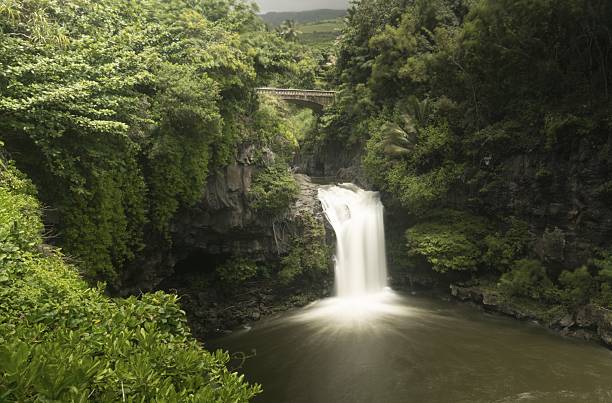
East Maui and Hana are for those who want to disappear into rainforest. Hana is remote, lush, and deeply rooted in Hawaiian culture. Waterfalls, black sand beaches, and coastal trails are nearby, but so are rain, limited dining, and a long, winding drive to anywhere else. Staying overnight in Hana is completely different from rushing there and back in one day. It rewards travelers who value quiet, nature, and disconnection. Central Maui, around Wailuku and Kahului, is less romantic but highly practical. It is close to the airport, offers more affordable lodging, and puts you within reach of both sides of the island. This can be a smart base for budget-minded travelers or those with early flights.
Ultimately, choosing your region means deciding what kind of Maui you want to wake up to. If you dream of resort beaches and sunsets, look west or south. If you crave wind, waves, and a bohemian vibe, look north. If you want cool mountain air and farm country, go upcountry. If you want rainforest isolation, head east. Consider a split stay if you have time, because Maui’s regions are close enough to visit but different enough to feel like separate islands. Match your lodging to your daily rhythm, and the island will unfold naturally.