Choosing where to stay on Maui can feel almost as important as choosing when to go. A condo in Kihei, a resort in Kapalua, a cottage in Upcountry, and a room in Hana can produce four completely different vacations. Think less about a specific hotel and more about how you want your days to feel. Do you want to wake up and walk to a calm swimming beach? Do you want to hear rainforest birds at night? Do you want to be close to restaurants and nightlife, or far from crowds? Your answers will point you toward the right region.
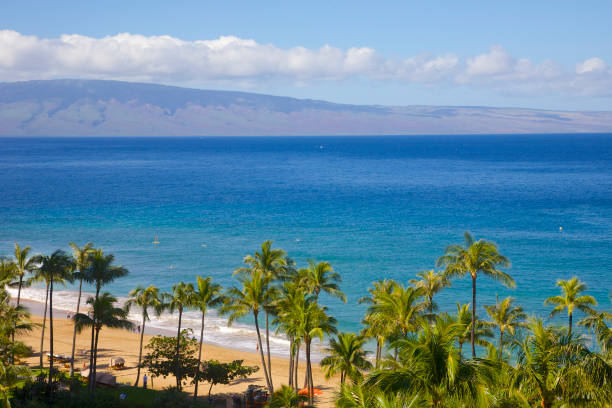
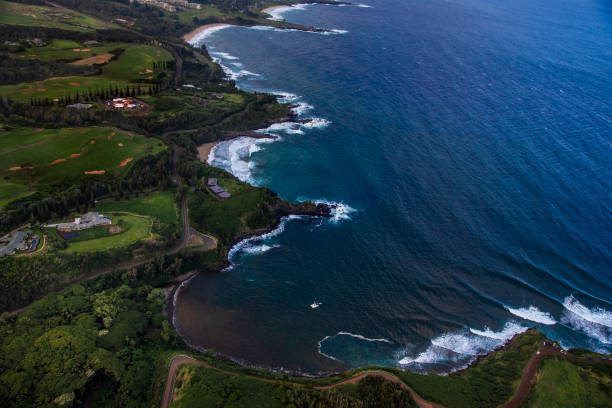
West Maui is often the first image people have of Hawaii: golden beaches, palm trees, and sunsets that seem to set the sky on fire. Kaanapali, Napili, Kahana, and Kapalua offer resorts, condos, golf, and excellent snorkeling. This side is a strong choice for first-timers, families, and anyone who wants a classic resort vacation with plenty of dining and activities nearby. The trade-off is traffic, especially when heading south toward Lahaina and beyond. Still, if your ideal day includes coffee on a lanai, a morning snorkel at Honolua Bay, and a sunset dinner, this region is hard to beat.
South Maui, including Kihei, Wailea, and Makena, is another sunny, beach-focused option. Kihei has a relaxed, casual feel with condos, local eats, and easy beach access. Wailea is more polished, with luxury resorts, manicured golf courses, and calm coves like Ulua and Mokapu. South Maui works well for travelers who want reliable sunshine, swimmable water, and a central base for exploring both the south shore and Upcountry. It is also convenient for snorkeling trips to Molokini. The downside is that it can feel less lush than the north or east, and summer heat can be intense.
The North Shore, around Paia, Haiku, and Kuau, has a different spirit entirely. This is windsurfing and plantation-town country. Paia is a fun base for cafes, boutiques, and quick access to Ho’okipa Beach and the Road to Hana. Haiku feels more residential and rainforest-like, with hidden waterfalls and botanical gardens nearby. If you love wind sports, yoga, and a slower, bohemian vibe, the North Shore is magical. It is not the place for calm resort swimming, however. Trade winds can be strong, winter surf can be dangerous, and rain is more common. You will also need a car for almost everything.
Upcountry Maui, including Makawao, Kula, and Pukalani, offers a completely different perspective. Here you trade oceanfront for cool elevations, rolling ranch land, farm stands, and sweeping views of both coasts. Mornings can be crisp, and evenings often call for a light jacket. This region suits travelers who want solitude, Haleakala sunrises, horseback riding, and farm-to-table meals. The compromise is distance: you are not walking to the beach, and driving down to sea level takes time. For some travelers, that trade-off is exactly what makes Upcountry special.
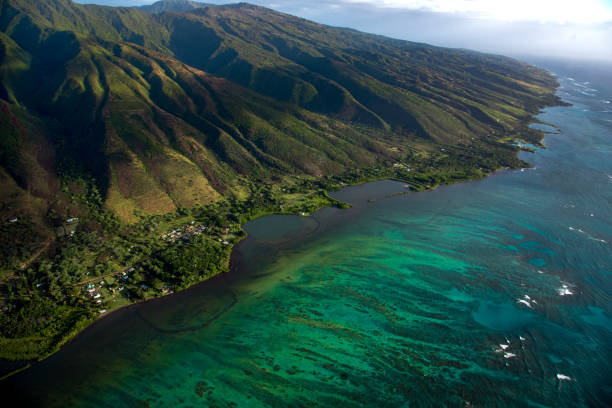
East Maui and Hana are for those who want to disappear into old Hawaii. The road to Hana is not just a day trip; staying overnight reveals a quieter, rainier, more intimate side of the island. Hana has limited lodging, few restaurants, and no nightlife, but it offers black sand beaches, waterfalls, bamboo forests, and star-filled skies. If you crave adventure and do not mind simple accommodations, one or two nights here can be the highlight of your trip. Rooms book early, so plan ahead.
Central Maui, around Kahului and Wailuku, is practical rather than postcard-perfect. It is close to the airport, hospitals, stores, and local restaurants. It can be budget-friendly and handy for early flights. But it lacks the resort atmosphere and beachfront ease that many visitors imagine.
To choose your region, match it to your priorities. If you want easy beaches and resort comforts, look at West or South Maui. If you want surf, wind, and creative energy, consider the North Shore. If you want cool air and country views, try Upcountry. If you want rainforest immersion, stay in Hana. You can also split your stay between two regions to experience more than one version of the island. Maui rewards travelers who slow down, so pick the region that fits your rhythm, then let the island do the rest.