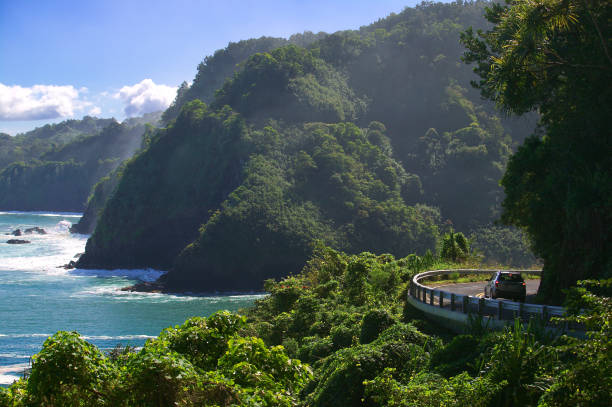
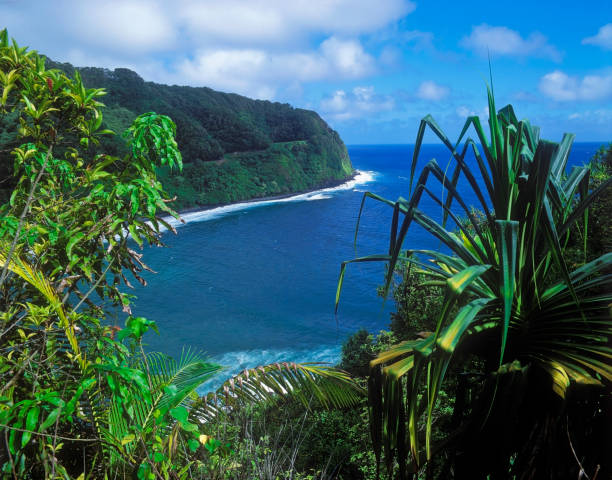
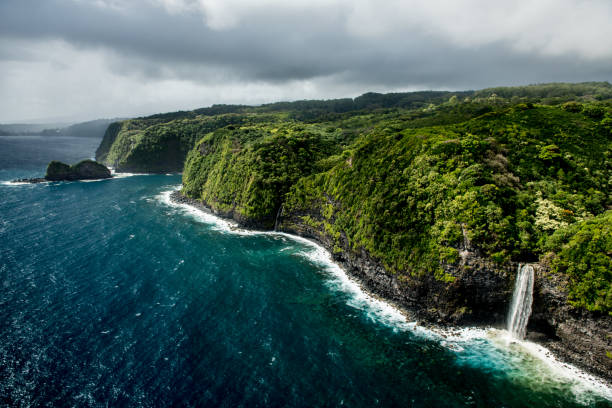
Maui’s beauty is not only in its waterfalls, beaches, and sunsets. It lives in the stories, values, and daily practices of the Hawaiian people, who have cared for these islands for generations. For visitors, understanding Hawaiian culture and traditions can turn a good vacation into a meaningful connection. Aloha is often translated as love, hello, and goodbye, but it is also a way of living: offering kindness, listening deeply, and treating others with dignity. When you travel with aloha, you move through Maui not as a spectator but as a guest.
Traditional Hawaiian culture is rooted in a close relationship with land and sea. The concept of mālama ʻāina, or caring for the land, reminds everyone that natural resources are gifts to be protected, not merely scenery to consume. In old Hawaiʻi, the islands were divided into ahupuaʻa, wedge-shaped land sections that ran from mountains to ocean. Each community had kuleana, a responsibility to care for its portion and share what it produced. That spirit still matters. When you stay on a trail, pack out your trash, and avoid taking rocks or coral, you practice mālama ʻāina.
Language is another doorway into Hawaiian culture. The Hawaiian language is rich with meaning, and many place names tell stories about events, chiefs, winds, and natural features. Haleakalā means “house of the sun,” a name tied to a famous legend. Wailuku means “waters of destruction,” recalling a historic battle. Lahaina means “cruel sun” and was once a royal capital. Learning to pronounce these names with care is a small but respectful gesture. You do not need to be fluent, but trying shows that you see Hawaiʻi as a living culture, not just a backdrop.
Hula and mele, or song, are often misunderstood as entertainment alone. In truth, hula is a Hawaiian tradition that preserves history, genealogy, and reverence for the gods and the land. Every hand movement and chant can carry story. If you attend a hula performance, choose one that feels authentic and educational rather than merely commercial. Stay seated, watch attentively, and avoid treating dancers as props for photographs. A lūʻau can be a wonderful introduction to Hawaiian food and music, especially when it includes storytelling and honors local traditions rather than reducing them to a buffet show.
Sacred sites also ask for special care. Heiau are ancient temples, and petroglyphs, burial caves, and fishponds are cultural treasures. Do not climb on heiau walls, move stones, or leave unnecessary items. If a site is fenced or marked kapu, meaning restricted or sacred, stay out. Even when no sign is present, ask yourself whether your presence is helping or harming. The best rule is simple: look with your eyes, not your hands.
Food is another way to honor Hawaiian culture. Kalo, or taro, is deeply important; poi is made from its root and has sustained generations. Poke, lūʻau, and fresh fish are beloved, but their stories reach back to fishing traditions, family recipes, and community feasts. Support Native Hawaiian-owned restaurants, farms, and cultural practitioners. Ask questions, listen to answers, and remember that food here is not a trend; it is heritage.
The ocean deserves the same respect. Hawaiian traditions teach that the sea is an ancestor and a source of life. Keep a safe distance from sea turtles and monk seals. Use reef-safe sunscreen. Never stand on coral. If you join a canoe paddling or fishing experience, follow the guide’s protocol and offer thanks. These practices are not restrictions meant to spoil fun. They are part of a reciprocal relationship that keeps Maui beautiful for the people who live here and for those who visit.
Finally, let curiosity be humble. Attend a cultural festival, take a class in lei making or ʻukulele, learn a few Hawaiian words, and talk story with locals. Give back through a beach cleanup or a conservation project. The more you understand, the more you will see that aloha is not a slogan. It is a responsibility and a way of moving through the world. Travelers who embrace Hawaiian culture and traditions on Maui often discover that the island gives back far more than a tan or a photo. They leave with a deeper sense of place, gratitude, and respect.