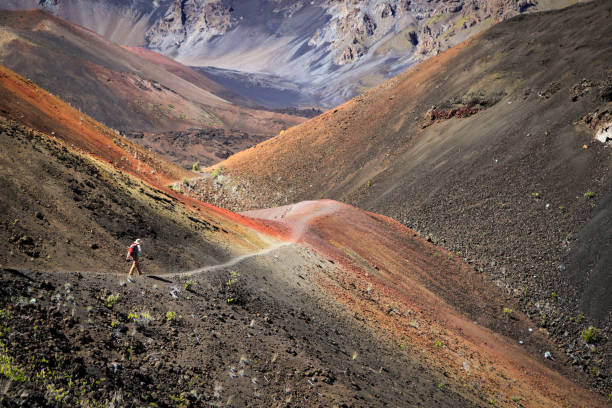
Haleakala is not a casual walk in the park, even though the views can make you feel like you are floating above the clouds. The summit area rises to 10,023 feet, and trails like Sliding Sands and Halemau‘u lead into a volcanic wilderness that is beautiful, exposed, and unforgiving. Safety here begins long before you tighten your bootlaces. It starts with respect: for the mountain, for other hikers, for native wildlife, and for your own limits.
The first rule of a good Haleakala hike is to check conditions and prepare for change. Weather at the summit can shift from bright sun to cold mist, driving rain, and fierce wind in minutes. Temperatures may be near freezing at dawn even when Kihei or Lahaina is warm enough for shorts. Dress in layers, bring a waterproof shell, wear sturdy shoes, and carry more water than you think you need. Altitude is another factor. At over 10,000 feet, the air is thin. Some visitors feel lightheaded, nauseated, or short of breath. Take it slowly, eat snacks, and descend if symptoms worsen. Pushing through altitude sickness is not brave; it is dangerous.
Trail etiquette on Haleakala often means staying exactly where you are supposed to be. Volcanic cinder and alpine soil are fragile. Cutting switchbacks or scrambling off-trail may look harmless, but it causes erosion that can last for years. The rare silversword, a remarkable plant that can live for decades and bloom once before dying, is easily damaged by footsteps. Nene, Hawaii’s state goose, may be grazing near trails. Give them space, never feed them, and do not chase them for a photo. If you see a rock stack, leave it alone. Building new cairns or moving markers can confuse other hikers and disrespect a landscape that is sacred to many.
That sense of respect extends to the people sharing the trail. Uphill hikers generally have the right of way because they are working harder and may have less momentum. If you are descending, step aside when it is safe and let them pass. Cyclists and horseback riders may also use certain routes, so be predictable, announce yourself politely, and avoid sudden movements. Keep your voice low. Haleakala is a place of wonder, not a loudspeaker. Music from a phone or speaker breaks the stillness for everyone else. Let the wind, the birds, and the crunch of cinder be the soundtrack.
Leave No Trace principles are essential in this national park. Pack out everything you bring in, including fruit peels, tea bags, wrappers, and tissues. Those items may seem natural or harmless, but they can harm wildlife and detract from the experience for others. Stay on durable surfaces, camp only in designated areas if you have a permit, and use established facilities before heading out. If you are on a longer backcountry route, know the park’s current rules for human waste and follow them. Do not take rocks, plants, or cultural artifacts home. A photograph is the only souvenir that belongs to you.
Plan for emergencies before they happen. Tell someone your route and expected return time. Cell service is unreliable, especially below the rim. Carry a map, a headlamp, a first aid kit, extra food, and extra water. Storms can roll in quickly, and lightning exposure is real on open slopes. If clouds thicken, winds rise, or you feel unsure, turn around. The mountain will still be there another day. Sunrise and sunset hikes are magical, but they also bring cold, darkness, and fatigue. A headlamp and warm layers are not optional.
Finally, remember that Haleakala is more than a scenic attraction. It is a sacred place in Hawaiian culture, the house of the sun, a landscape of profound natural and spiritual importance. Walk gently, speak quietly, and let humility guide you. Safety and etiquette are ultimately the same practice: paying attention. Pay attention to your body, the weather, the trail, and the people around you. Do that, and your Haleakala hike can be the highlight of your Maui trip—a memory of beauty, challenge, and respect. When you do, you join a long tradition of travelers who have come to Haleakala not to conquer it, but to be changed by it.