Maalaea sits at Maui’s narrow waist, a small harbor village where the West Maui Mountains lean close to the sea and the broad Central Isthmus opens toward Haleakala. It is not the Maui of grand resort lobbies or packed pool decks. Instead, it feels like a working waterfront with a gentle, sun-bleached character. The trade winds funnel through this gap, giving Maalaea its famous breeze and keeping the sky clear. Travelers often pass through on their way to Lahaina or Kihei, but slowing down here reveals why this little corner matters. It is a launchpad, a lookout, and a crossroads all at once.
The harbor is the heartbeat. From Maalaea Harbor, boats head to Molokini Crater for snorkeling, to Lanai for day trips, and into the Auau Channel for humpback whale watching in winter and spring. Sportfishing charters leave before dawn, and sunset cruises return as the mountains turn gold. The Maui Ocean Center, just above the harbor, offers a superb introduction to Hawaii’s reefs and sea life, especially for families or anyone who wants context before getting in the water. Morning departures usually mean calmer seas and fewer crowds. Book popular trips early, particularly during whale season, when the channel fills with spouts, flukes, and the occasional breach.
Behind Maalaea lies the Central Isthmus, the flat land bridge that connects Maui’s two volcanic halves. This is the island’s agricultural and commercial spine, a place of cane-field history, warehouse towns, and wide views in both directions. Kahului and Wailuku anchor the area, while Puunene recalls the sugar era that shaped so much of Maui’s modern identity. Today the fields are changing, but the isthmus remains vital. Kealia Pond National Wildlife Refuge protects wetlands and migratory birds along the highway, with a boardwalk that makes a quiet, easy stop. Ancient fishponds and old plantation roads hint at layers of history beneath the everyday traffic.
Scenic drives from Maalaea show off the isthmus beautifully. Heading north and west on Honoapiilani Highway, the road hugs the coast toward Lahaina, with views of Lanai, Molokai, and Kahoolawe across the water. Heading east, Mokulele Highway runs toward Kihei and Wailea, passing dry lowlands and ocean glimpses. Kuihelani Highway cuts through the central plain between Maalaea and Kahului, framed by Haleakala on one side and the West Maui Mountains on the other. From Kahului, it is easy to continue to Paia and the road to Hana, or climb toward Upcountry. Each route feels different, yet Maalaea remains the hinge.
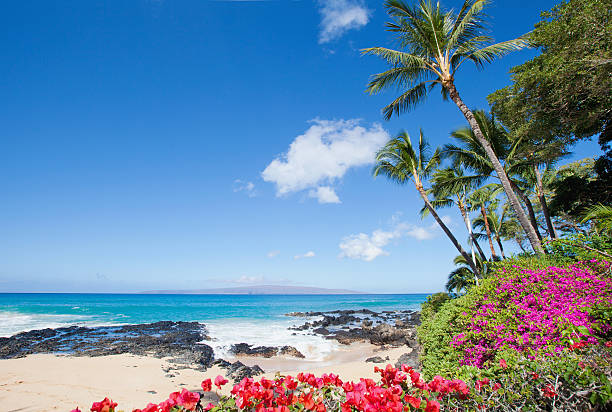
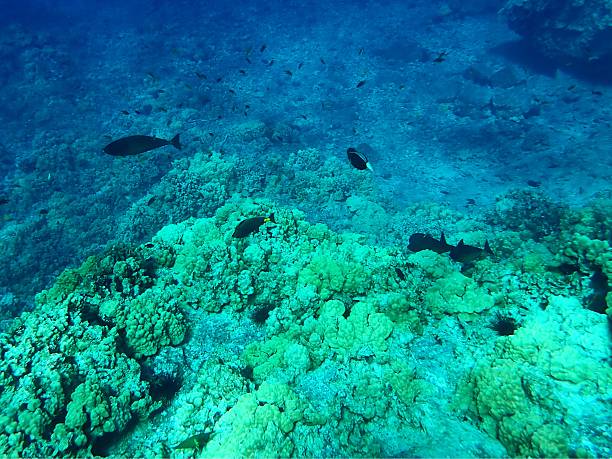
Water sports and beach time revolve around Maalaea Bay and nearby Kihei. The bay itself can be windy and choppy, which makes it a playground for windsurfers and kiteboarders rather than a lazy swim spot. Just south, Sugar Beach stretches long and golden, ideal for walking, running, and watching sunsets. Families often base themselves in Kihei for calmer swimming and then drive to Maalaea for boats. Snorkelers love Molokini’s clear water, while divers explore lava formations and reef slopes. In winter, whale watches are unforgettable. Always keep distance from marine life, use reef-safe sunscreen, and heed ocean conditions; the breeze that feels refreshing on land can build quickly on the water.
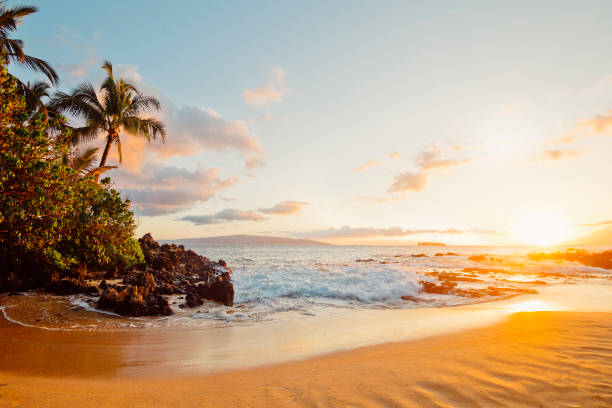
Food and drink in the area are casual and harbor-focused. Maalaea has waterfront restaurants serving fresh fish, burgers, tacos, and cold drinks, plus a general store and small spots for shave ice or coffee. It is not a nightlife district; evenings are quiet, with sunset colors and the sound of rigging against masts. For more variety, drive to Wailuku for local cafes and bakeries, Kahului for food trucks and shopping, or Kihei for happy hours and live music. A perfect day might begin with a charter, include a lazy lunch by the harbor, and end with a walk along Sugar Beach as the sky turns pink.
As a place to stay, Maalaea suits travelers who value location over resort polish. Condos and vacation rentals offer easy access to Lahaina, Kihei, Kahului Airport, and the road to Hana. It is central enough for day trips but quiet enough for rest. Plan around the wind and whale seasons, reserve boats and popular restaurants, and keep a flexible schedule for spontaneous beach stops. Whether you are a first-time visitor or someone who returns to Maui whenever possible, Maalaea and the Central Isthmus reward a slower look. They are not just a pass-through; they are the sunny crossroads where Maui’s mountains, ocean, and history meet.