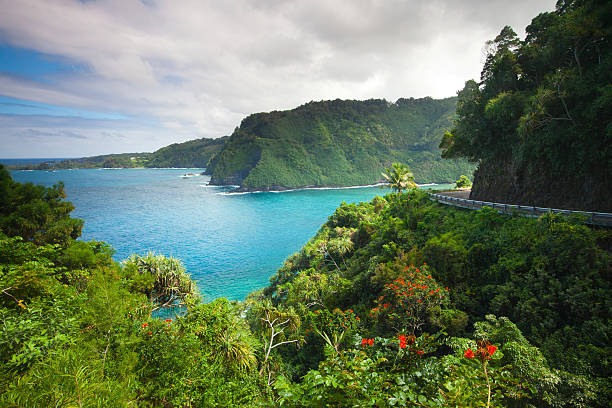
On Maui’s north shore, past the rainbow eucalyptus and sugarcane fields, a quiet stretch of coastline hides one of surfing’s most intimidating arenas. Peahi, known worldwide as Jaws, is not a place for casual longboard sessions. It is a wave born from deep-ocean storms, shaped by a submarine ridge, and amplified by trade winds. When conditions align, the result is a moving mountain of water that draws the world’s best big-wave surfers and rapt spectators. For travelers, understanding Peahi is key to appreciating Maui’s surf culture.
Peahi sits off the coast near Haiku, a small community on Maui’s windward side. The wave is created by a unique underwater topography. Large winter swells generated by North Pacific storms travel thousands of miles toward Hawaii. As they approach Maui, they encounter a deepwater reef and a steep underwater ledge. The swell energy compresses, focusing upward. Trade winds, often blowing offshore or side-offshore, groom the face and hold the lip. The result is a wave that can reach 30, 40, even 60 feet on the face. It breaks with terrifying force, then races across a shallow reef before dissipating. Only a handful of days each winter produce Jaws, but those days are legendary.
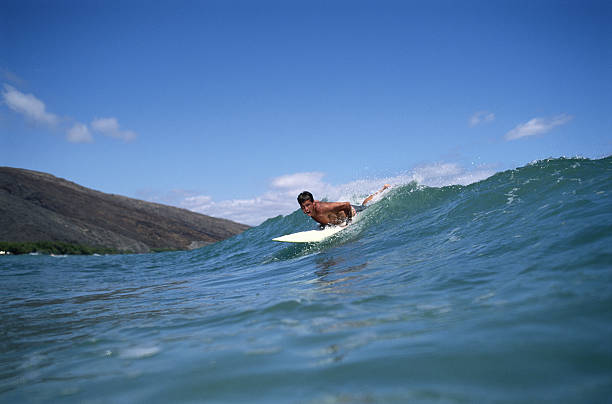
Big-wave surfing at Peahi has evolved dramatically. In the 1980s and 1990s, local surfers like Laird Hamilton, Dave Kalama, and others pioneered tow-in surfing here. Using personal watercraft, they could catch waves too fast and too large to paddle into. Tow-in surfing changed the game, allowing athletes to ride Jaws. Later, paddle-in surfing returned to the forefront as boards, fins, and training improved. Today, both approaches coexist. Some surfers prefer the purity of paddling, while others rely on jet ski assistance for safety and positioning. What matters is preparation, humility, and a deep respect for the ocean.
For visitors, Peahi is not a tourist attraction. There is no boardwalk, no concession stand, no easy viewing platform. Access is limited, and the cliffs and roads around Peahi are often private or crowded on swell days. If you are lucky enough to watch, do so from a safe distance and never block driveways or emergency access. Bring binoculars, patience, and a willingness to leave no trace. The best way to experience Jaws may be through local surf shops, documentaries, or conversations with Maui residents who know the wave’s history. Many surfers and photographers gather at nearby lookouts when a giant swell arrives, but the scene is serious. High surf can sweep the shoreline, and rogue waves are real.
The culture around Peahi is as powerful as the wave itself. It is a community of water people who train year-round, study swell models, and rely on each other. Safety teams on jet skis, spotters on the cliff, and emergency responders are part of the event. Big-wave surfing is not reckless thrill-seeking; it is calculated risk. Surfers wear inflatable vests, use impact-resistant boards, and practice breath-holding. They know that a mistake at Jaws can be fatal. That awareness creates a bond. It also shapes the local etiquette: respect the lineup, respect the locals, and never assume you are ready for a wave that has no mercy.
If you dream of Maui, Peahi offers a window into the island’s wilder side. You can feel the power of the North Pacific without ever entering the water. A winter visit might coincide with a swell, but even on calm days, the cliffs and ocean views are stunning. Pair a drive to the north shore with a stop in Paia, where surf shops, cafes, and shave ice stands hum with big-wave stories. Talk to locals, watch the forecast, and remember that Jaws is not a spectacle to conquer. It is a natural phenomenon to witness.
For travelers, the lesson of Peahi is simple. Maui’s surf culture is not only about riding waves; it is about reading conditions, honoring tradition, and knowing when to watch from shore. Whether you are a seasoned surfer or a dreamer with saltwater in your future, Peahi reminds you that the ocean is powerful, beautiful, and worthy of deep respect. Plan your trip with flexibility, keep safety first, and let the north shore show you a side of Maui that few places can match.