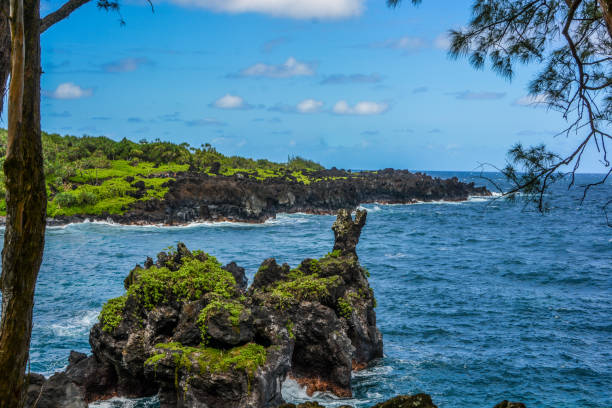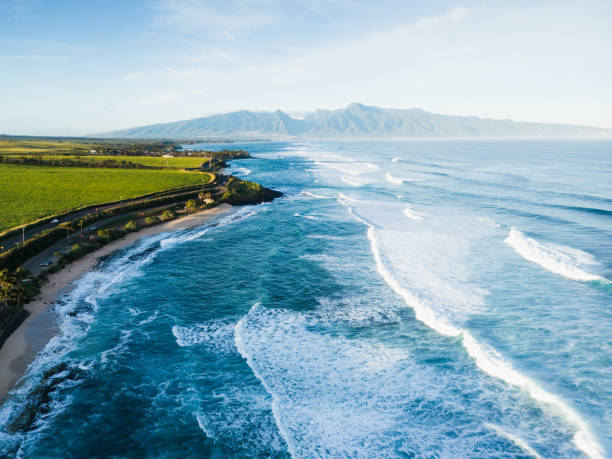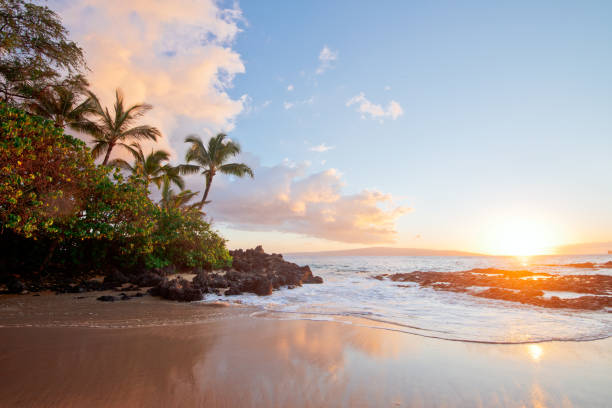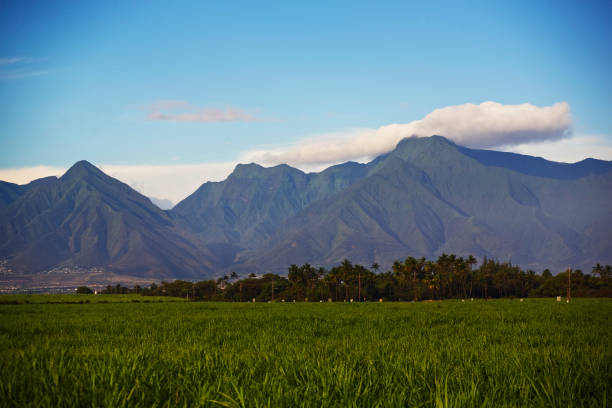
Maui is not a vacation backdrop. It is a place where ancient volcanic landscapes meet coral reefs, where Hawaiian traditions remain alive, and where every visitor becomes part of the island’s story. Traveling with aloha means recognizing that your presence has an impact. The choices you make—where you eat, how you drive, what you put on your skin, and how you treat sacred places—can help protect Maui for the people who live there and for generations of travelers still to come.
At the heart of respectful travel is kuleana, a Hawaiian concept of responsibility. You have a kuleana to the land, the ocean, and the community. Before you arrive, learn a little about Hawaiian history. Maui was not an empty paradise before tourism; it was home to communities, fishponds, agricultural systems, and spiritual sites. Understanding that history changes how you see the island. A heiau is not a photo op. A loʻi kalo is not a jungle curiosity. These are living cultural sites. If a place is marked private or kapu, stay away. If invited to participate in a cultural practice, listen more than you speak, ask respectful questions, and follow your hosts’ guidance.
The ocean deserves special care. Maui’s reefs are fragile, and sunscreen chemicals can harm coral. Choose mineral-based, reef-safe sunscreen, or cover up with a rash guard and hat. Never stand on coral, chase dolphins, touch sea turtles, or crowd monk seals. Keep a respectful distance and let wildlife behave naturally. If you snorkel or dive, practice buoyancy control and avoid dragging gear across the reef. Take only photographs and memories; leave shells, sand, and rocks where they belong. Taking lava rock may be considered bad luck, but removing natural or cultural objects damages ecosystems and disrespects Hawaiian beliefs.
On land, stay on trails even when muddy or steep. Cutting switchbacks causes erosion that can take years to heal. Clean your shoes and gear before hiking to avoid spreading invasive seeds and rapid ʻōhiʻa death. Do not stack rocks, build cairns, or carve into trees. If a trail is closed, respect the closure; it may protect endangered species, sacred sites, or dangerous terrain. Pack out everything you bring in, including food scraps and fruit peels that can harm wildlife. Bring a reusable water bottle and refill it rather than buying plastic bottles. Conservation of water matters on an island, especially in dry periods. Treat every freshwater stream and waterfall as a shared resource, not a private playground.
Supporting the local economy is another form of sustainability. Eat at family-run plate lunch spots, buy from farmers markets, and book tours with companies that hire local guides and limit group sizes. When you buy mass-produced souvenirs made overseas, less money stays on Maui. When you choose locally made art, food, and experiences, you help sustain families and cultural practitioners. Ask before taking photos of people, especially at cultural events or beaches. A simple “May I?” goes a long way. Learn a few Hawaiian words and use them correctly: aloha, mahalo, e komo mai, a hui hou. Language is a doorway to respect.
Transportation and crowding are part of the challenge. Maui’s roads are often narrow, and popular spots can become overwhelmed. Drive with patience. If a line of cars forms behind you, pull over safely and let them pass. Do not stop in the middle of the road for a photo. Visit famous destinations early or late, and consider exploring less-visited towns and beaches. Social media has made hidden gems suddenly crowded, so think twice before geotagging a fragile spot. Instead, share the memory without pinpointing the location.
Sustainable travel is not about being perfect. It is about being mindful. Stay longer, go slower, and spend your money where it supports the community. Volunteer for a beach cleanup or restoration project if your schedule allows. Offset your flight when you can, and combine errands to reduce driving. Most importantly, carry the spirit of aloha beyond your trip. Maui’s beauty is a gift, but it is also a responsibility. Travel in a way that honors the island’s past, protects its present, and preserves its future. When you leave, the best souvenir is knowing you left Maui a little better than you found it.